




Personalized E-Book



Recent Post
A unique concept! ...
...
 Hâpy Collection is dedicated to bringing you a quality children’s picture book professionally designed for your child’s easy reading. Our main mission is to celebrate the diversity of language, which we believe is an integral part of your child’s education, identity, and culture.
Offer subject to the conditions of sale of Hâpy Collection and the following special conditions:
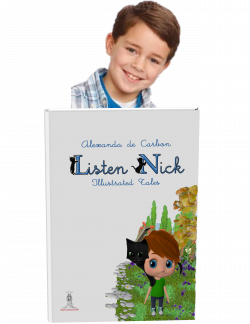
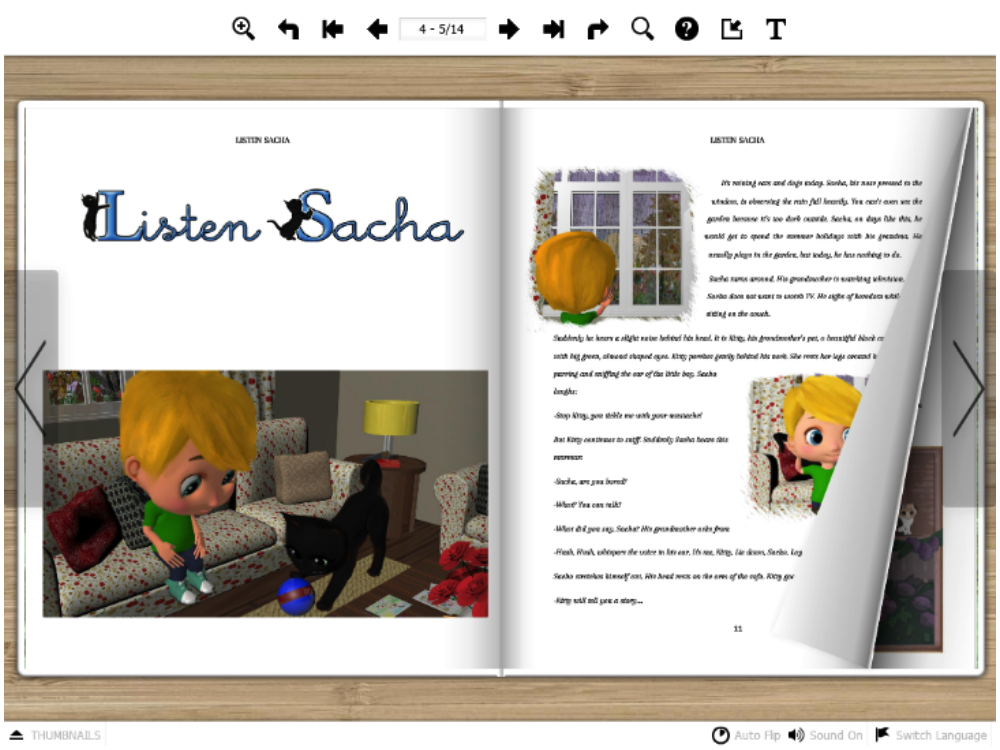
Yes, I would receive the book Listen Sacha + cost for participation in shipping. I receive my order within 2 weeks of validation of my order.
> I have 14 days to decide to keep my book or return it to you, postage in my care, without any explanation to give you.
> Offer limited to one request per household (same name, same address).
> Offer restricted to metropolitan France.
Examples do more than decorate an explanation: they show how an abstract principle works under real conditions and reveal details that a definition may leave out. In teaching, a well-chosen case can connect unfamiliar ideas to prior knowledge, while a poor case may distract from the central rule or encourage an overly narrow conclusion. A clear test case demonstrates the difference between a general pattern and the exceptions that require judgment, making the lesson more useful than a list of claims alone. Good examples should therefore be specific enough to examine, varied enough to prevent rote imitation, and brief enough to keep attention on the underlying concept. Editors and educators often place the example immediately beside the explanation, because that structure lets readers compare principle and application without searching through disconnected material. When the subject is complex, several carefully contrasted cases can also expose assumptions, clarify boundaries, and support more accurate decisions.
Ilustrirane knjige združujejo besedilo, barve in risbe, zato bralec pri izbiri pogosto primerja slog, starostno primernost ter obseg vsebine. Tudi pri načrtovanju prostega časa pomaga, če so osnovni pogoji jasno ločeni od širše predstave o zabavi. Pri spletnem igranju lahko slovenski uporabnik najprej pregleda različne možnosti, nato pa se osredotoči na tiste z začetnim pragom 10 evrov; https://polzevo.com/minimalni-depozit-10-eur/ je umeščen v ta ožji kontekst in izpostavlja znesek kot izhodišče za primerjavo. Občasna uporaba zahteva predvsem pregled nad začetkom in porabo, podrobnejša presoja pa še razumljiva pravila, morebitne stroške ter vnaprej določeno časovno in finančno mejo.
